
Winter weather can make even familiar roads more challenging. Snow, ice, slush and freezing rain can reduce visibility and traction quickly, so it’s important to be prepared before you head out. While the safest choice is often to stay off the road during severe weather, these winter driving tips can help you feel more confident and stay safer when travel is necessary.
Prepare Your Vehicle Before Winter Weather Arrives
A little preparation can make a big difference once temperatures drop. Before the first snowfall, take time to make sure your vehicle is ready for winter driving:
- Keep your tires properly inflated throughout the winter and pay attention to your tire pressure light. Over- or under-inflated tires may not grip the road properly and can also affect fuel efficiency.
- Keep a winter emergency kit in your vehicle with items such as a blanket, flashlight, jumper cables, ice scraper, shovel, gloves and traction material.
- Check that your vehicle has enough antifreeze.
- Keep your windshield washer reservoir full and use washer fluid designed for freezing temperatures. Avoid using plain water, which can freeze.
- Make sure your windshield wiper blades are in good condition.
- If your vehicle has four-wheel drive, understand how and when to use it before conditions become difficult.
Take Extra Care in Slippery Conditions
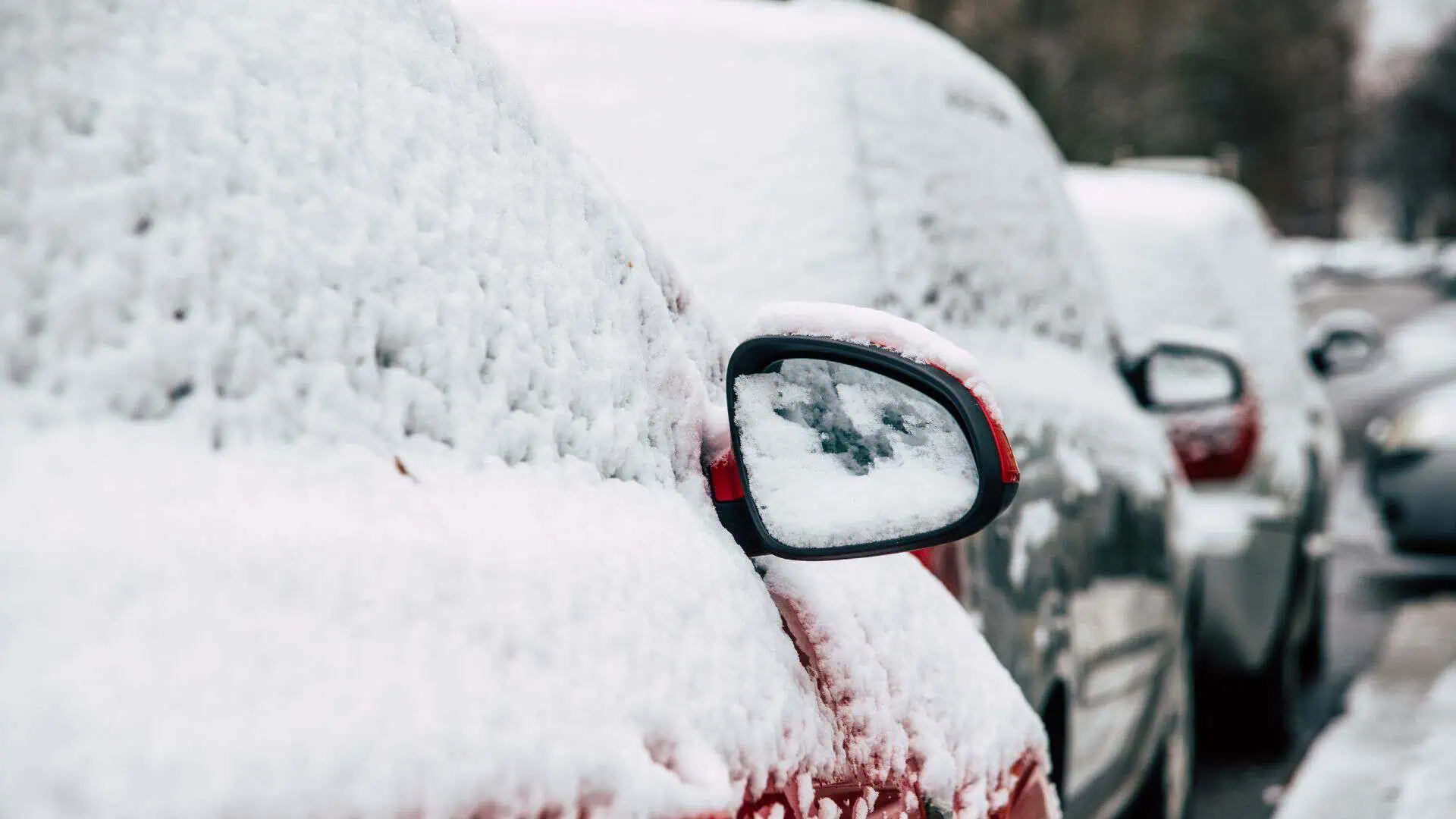
Ice, snow, slush and rain all require extra caution behind the wheel. Before driving, start your vehicle and turn on the defrosters. Clear snow and ice from all windows, headlights, taillights and side mirrors. Remove snow from the roof and hood as well, since blowing snow can reduce visibility for you and other drivers.
Leave Plenty of Space
Following too closely is risky in any season, but it can be especially dangerous on winter roads. Give yourself extra room between your vehicle and the one ahead of you. If you need to brake suddenly, that added distance can help reduce the chance of a collision.
Know How to Brake Safely
Understand what type of brake system your vehicle has. If your vehicle does not have anti-lock brakes, gently pumping the brakes may help you stop snow or ice. If your vehicle has anti-lock brakes, press the brake pedal firmly and steadily. In either case, avoid slamming on the brakes whenever possible, especially in poor weather.
Stay Calm if You Skid
Black ice or driving too fast for the conditions can cause your vehicle to skid. If that happens, try to stay calm, ease off the accelerator and steer in the direction you want the front of the vehicle to go. Avoid overcorrecting and give the tires time to regain traction.
Avoid Using Cruise Control
Cruise control is not recommended on snow, ice or wet roads. If your vehicle begins to hydroplane or skid, cruise control may make it harder to respond quickly and regain control. In winter weather, it’s best to stay fully engaged and adjust your speed as conditions change.
What to Do if You Get Stuck
Getting stuck in snow can be frustrating, but pressing hard on the gas usually makes the situation worse. Instead, clear snow away from the front and back of your tires and make sure the tailpipe is not blocked. Place traction materials such as traction mats, carpet squares, floor mats, sand, kitty litter or rock salt near the tires. Then shift into a low gear and slowly ease forward.
Winter weather can be unpredictable, but planning ahead can help you stay safer on the road. If conditions are severe, consider delaying your trip. If you do need to drive, allow extra time, slow down and stay alert. A few simple precautions can go a long way toward helping you arrive safely.