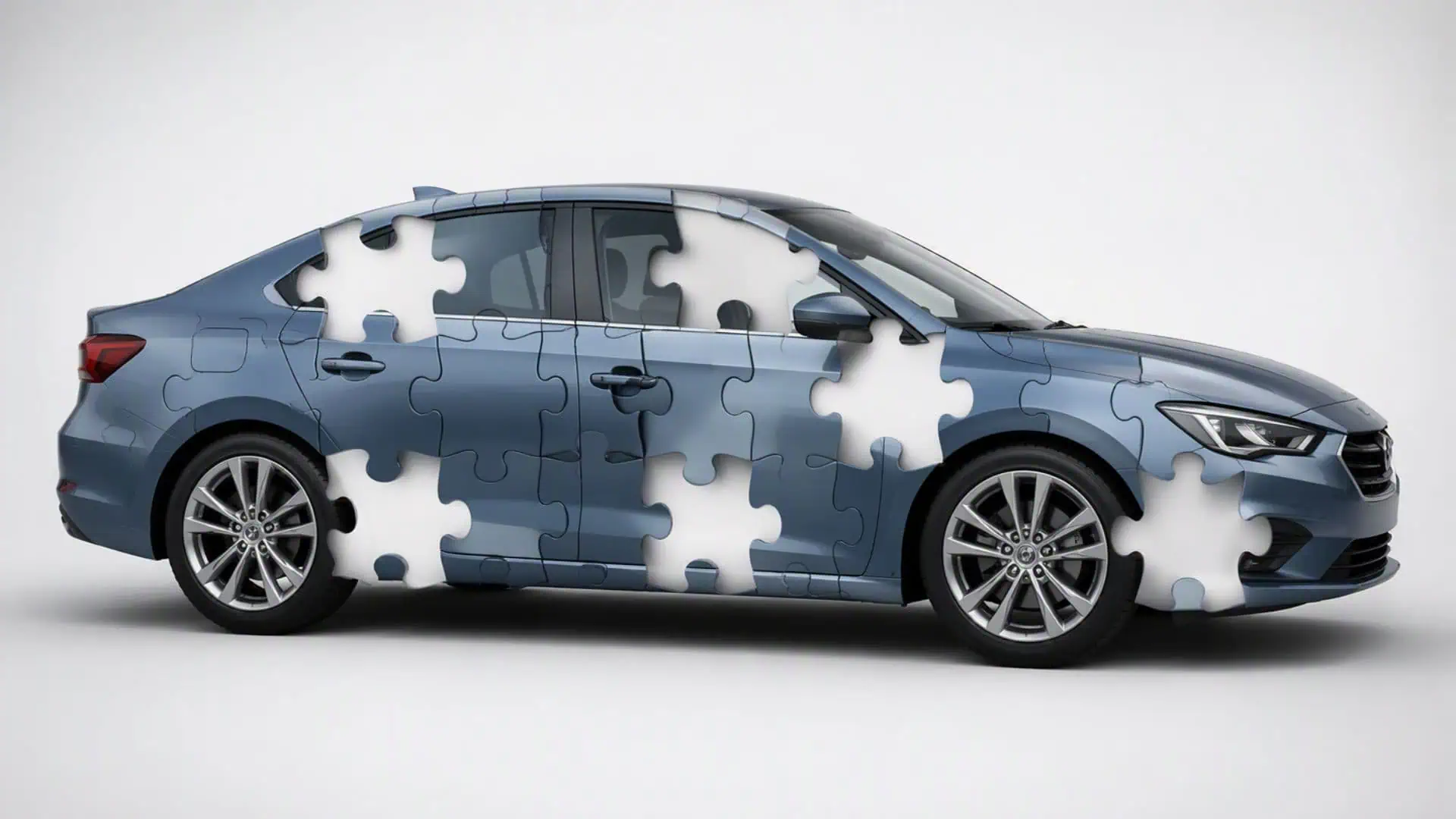

You’ve probably heard someone say they have “full coverage” auto insurance. It’s a common phrase, but it can be misleading. In most cases, people use it to mean they have more than the minimum required coverage—often liability coverage plus comprehensive and collision coverage. But “full coverage” is not a specific policy type, and it does not mean every situation is covered.
Even if you choose several auto insurance coverages, no policy can protect you from every possible loss, expense or circumstance. That’s why it’s important to understand what your policy includes, where your limits apply and what options may be available to you. Your local Haulers agent can help you review your coverage and choose what fits your needs.
What Does Liability Coverage Help With?
Liability coverage is the foundation of most auto insurance policies and is required in many states. It may help pay for covered damages if you are found legally responsible for an accident. Bodily injury liability may help with covered medical expenses, lost wages, and pain and suffering for someone injured in an accident you caused. Property damage liability may help pay for covered damage you cause to another person’s vehicle or property.
State minimum requirements are a starting point, but they may not be enough for every driver. Depending on your assets, budget and comfort level, you may want to consider higher liability limits.
What Do Comprehensive and Collision Coverage Help With?
Comprehensive and collision coverage are optional coverages that help protect your vehicle itself. If you lease or finance your vehicle, your lender may require them. Collision coverage may help pay to repair or replace your vehicle after a covered collision with another vehicle or object. Comprehensive coverage may help pay for covered damage caused by something other than a collision, such as certain types of damage from hail, flooding, theft or vandalism, depending on your policy.*
How Do You Choose the Right Coverage?
Your coverage choices, limits and deductibles all affect your premium. The best combination depends on your vehicle, your budget and how much financial risk you are comfortable taking. If you’re not sure what your current policy covers, talk with your agent. They can walk you through your options and help you better understand what protection you have in place.
*Comprehensive and collision coverage require an agreed upon deductible.