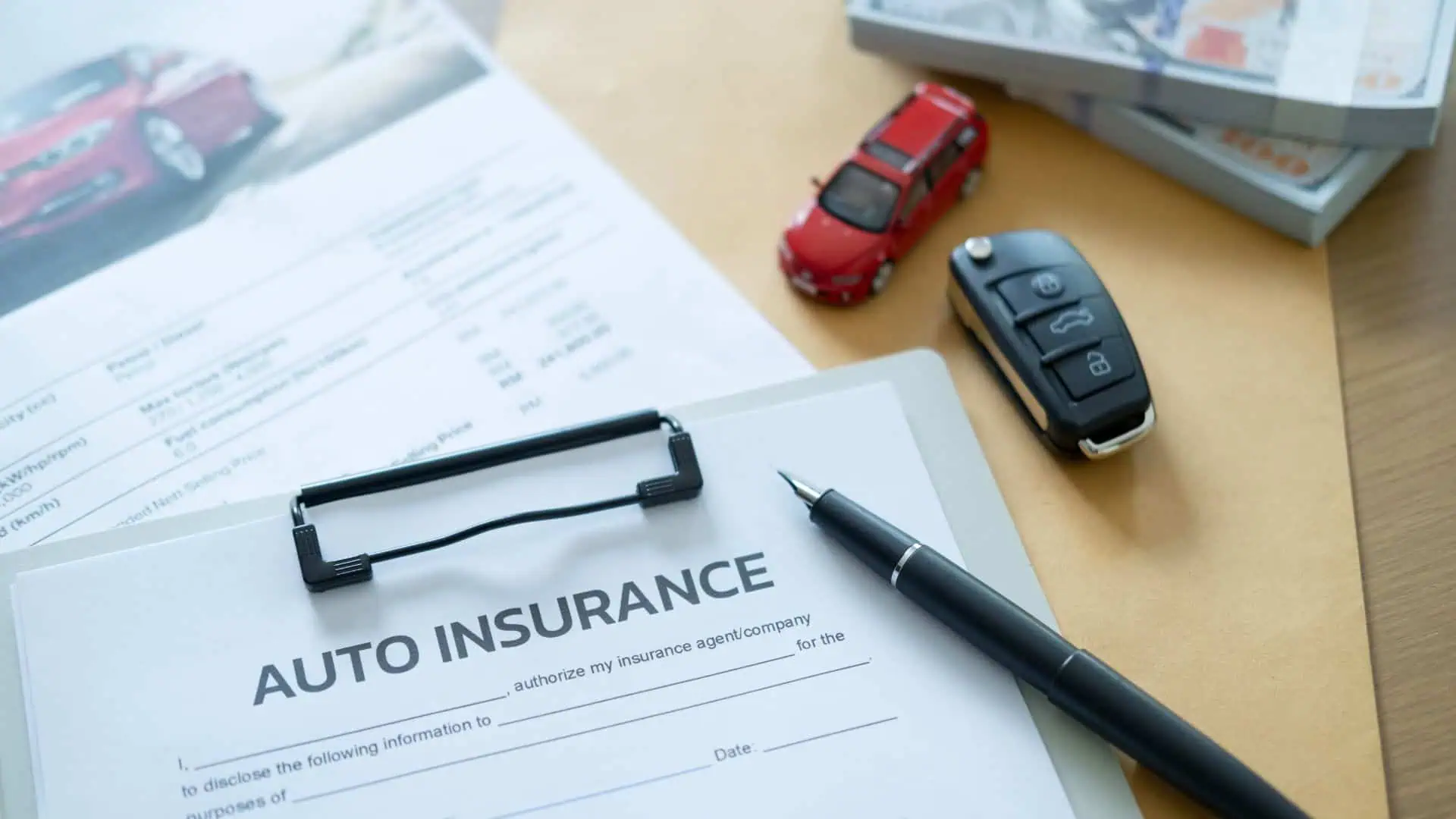

Getting a new car is exciting—whether it’s brand new or simply new to you. But before you spend too much time enjoying your new ride, there’s one important step to take: make sure it’s properly insured. Most dealerships require proof of insurance before you can drive off the lot, and even if you already have coverage on your previous vehicle, that coverage may not automatically carry over the way you expect. The best thing to do is contact your insurance agent as soon as possible so they can help you update your policy and review the coverage that makes sense for your new vehicle.
Why Updating Your Auto Insurance Matters
It can be easy to forget about insurance when you’re busy with paperwork, financing, registration and everything else that comes with buying a car. But putting it off can create problems later. For example, imagine you bought a new vehicle and meant to call your agent, but life got busy and you never made the update. Months later, a deer runs in front of your car on your way to work. If your old vehicle only had liability coverage, you may not have the protection you need to help pay for damage to your new car. This is just one reason it’s important to update your policy right away.
When to Transfer or Update Your Coverage
In many cases, you may have a short “grace period” after buying a vehicle to add it to your policy or transfer coverage from your previous car. However, that time frame can vary by state and policy, so it’s important not to assume you have the same amount of time as someone else. Temporary coverage often lasts around 30 days, but you should contact your agent as soon as you buy a new vehicle—even if you plan to keep your old one, too. To update your policy, your agent will typically need:
- The year, make and model of the vehicle
- The odometer reading
- The vehicle identification number, or VIN
- The registration or title
Once your agent has the vehicle information, they can review your current coverage and help you decide whether it still fits your needs. In some cases, you may want to keep similar coverage. In others, you may decide to add or adjust coverage based on the value of the car, how you use it or whether it is financed or leased. Newer vehicles often cost more to insure than older ones, and the make, model, size and features of the vehicle can also affect your premium.
Know Before You Buy
If you’re still shopping for a car, it can help to do a little research before making your final decision. Compare your top vehicle choices, think about your budget and talk with your insurance agent about what coverage may cost for each option. Having that information ahead of time can help you avoid surprises and feel more confident about your purchase.