
Mobile phones have come a long way since they first appeared in the 1970s. Today, they are smaller, smarter and more connected than ever, which is why many of us keep one within reach almost all the time. That convenience has also changed the way we communicate. In 2004, more than 90% of U.S. households had a working landline phone. By 2024, fewer than 25% did, according to data from the Centers for Disease Control and Prevention’s National Health Interview Survey.
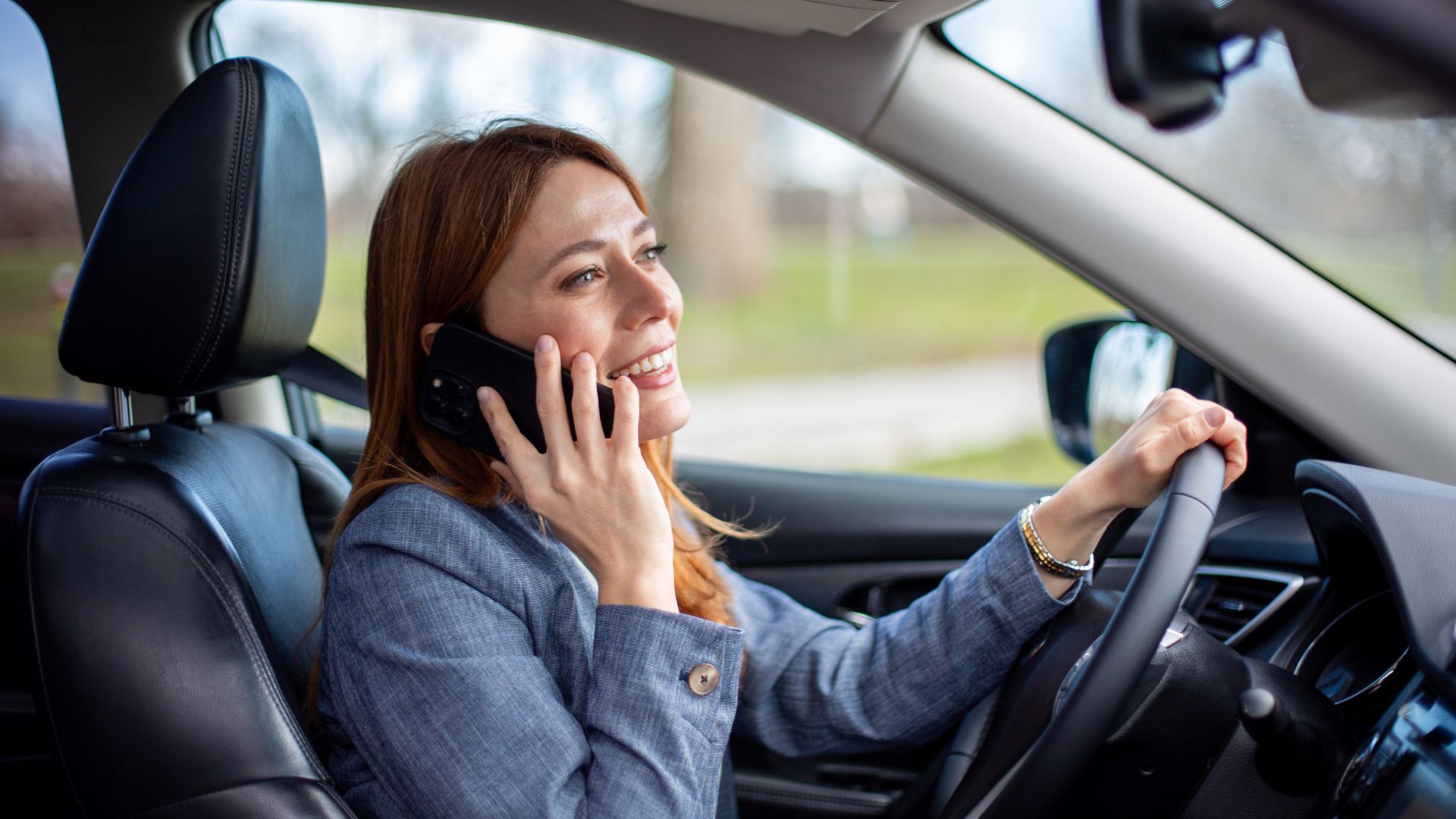
Because phones are so easy to carry, it can be tempting to use them anywhere—even behind the wheel. The next time you are a passenger, take a quick look around. You may notice drivers talking on the phone, checking a message or even typing while driving. It is no surprise that cell phone use is often the first thing people think of when they hear the term “distracted driving.”
Many states have laws against texting while driving, and some also restrict talking on the phone behind the wheel. But phones are not the only distraction drivers face. Anything that takes your attention away from driving can increase the risk of a crash. That includes adjusting the radio or temperature controls, eating or drinking, talking with passengers, managing children in the back seat, looking at a map or navigation system, applying makeup, combing your hair or even shaving. If it pulls your eyes, hands or mind away from the road, it counts as distracted driving. In 2024, 3,208 people were killed and an estimated 315,167 were injured in crashes involving distracted drivers, according to the National Highway Traffic Safety Administration.
As awareness grows, more safety efforts are focusing on all types of distractions—not just cell phone use. The message is simple: driving needs your full attention. Put the phone away, set up your music or directions before you leave, and take care of anything else once you are safely parked. Or, as The Doors famously put it, “Keep your eyes on the road, your hands upon the wheel.” It is still good advice, and following it can help make every trip a safer one.